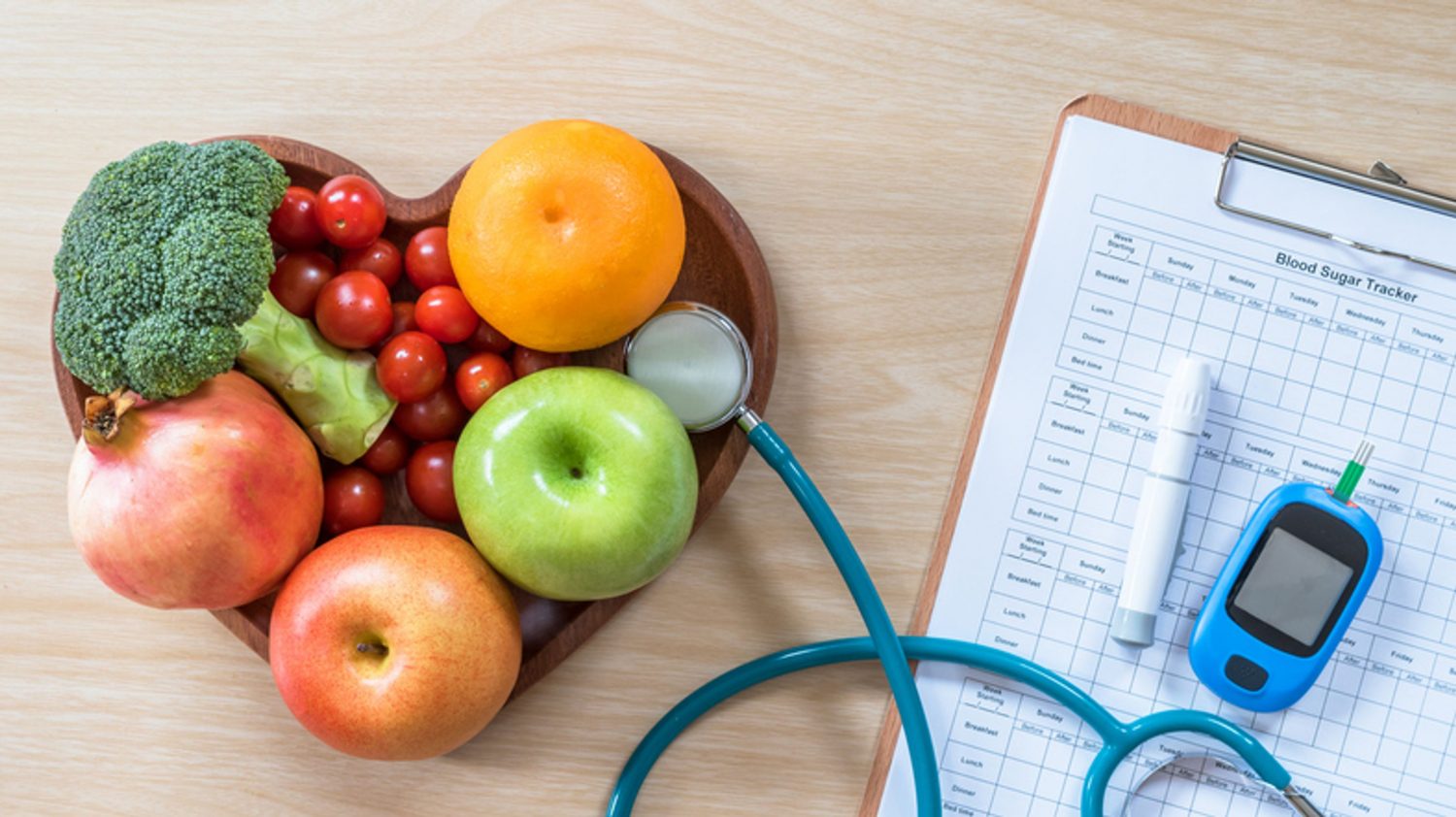
Health Complications


Diabetes UK

Published on Sep 3, 2013


Related Health Conditions and Vision Complications

1.Nerve pain. Nerve pain caused by diabetes, known as diabetic peripheral neuropathy, can be severe, constant, and hard to treat. Controlling your blood sugar can make a big difference (WebMD, 2018).

2. Heart. Years of high blood sugar may harm your body’s blood vessels. That raises your chance of having heart disease, which can cause heart attacks or strokes later on. High blood pressure and high cholesterol make the problems even more likely (Pathak, 2018).

3. Kidneys. Diabetes can affect blood vessels in your kidneys, too, so they may not work as well. After many years of trouble, they might stop working (Pathak, 2018).

4. Feet. High blood sugar can harm blood flow and damage nerves, and that may cause cuts, scrapes, or sores to heal slowly. You may lose some feeling in your feet, which keeps you from noticing injuries that can get infected. If an infection gets serious, it might mean you need to have a foot removed (Pathak, 2018).

5. Skin. Diabetes may make you more likely to have yeast infections, itching, or brown or scaly patches (Pathak, N., 2018).

6. Erection problems. Men with diabetes may be at risk for sexual problems, because high blood sugar can harm blood flow and damage nerves that the body needs to get and keep an erection (Pathak, 2018).

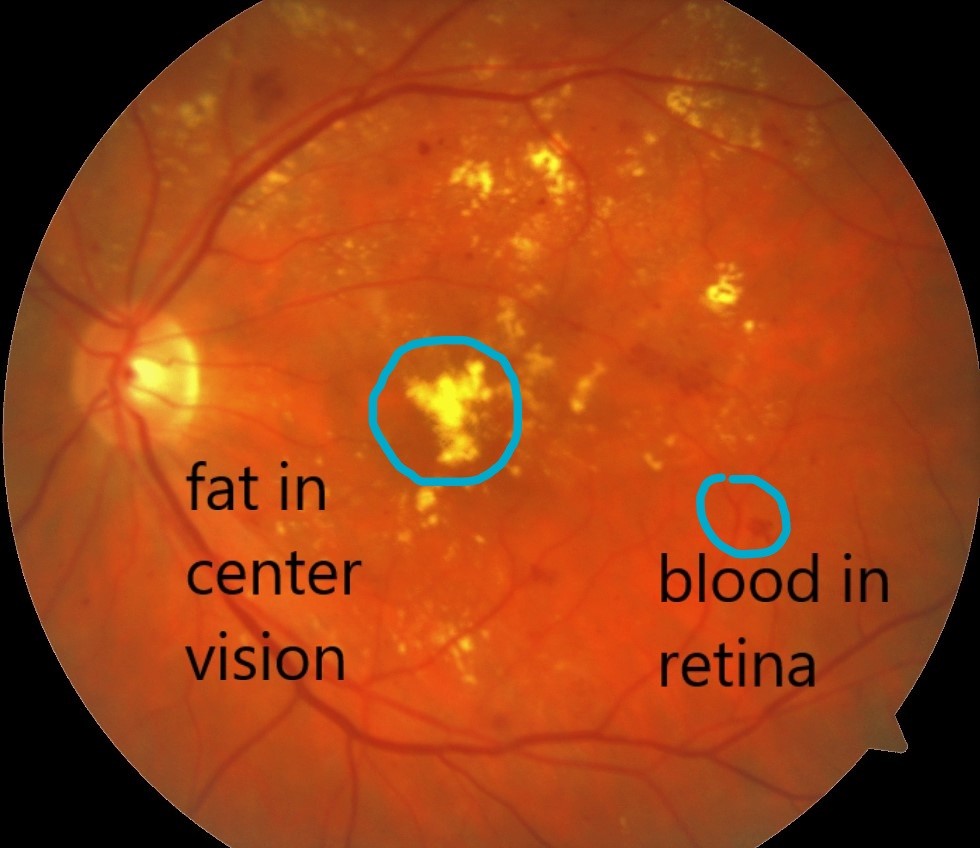
7. Eye problems. Diabetes can increase your risk of eye problems. When your body doesn’t make enough insulin or is unable to use it properly, glucose can build up in your blood and harm your nerves and blood vessels, as shown in the video above. Damage in your eyes from high blood sugar levels can lead to vision problems and blindness. This can happen to anyone with diabetes.

Diabetic Retinopathy
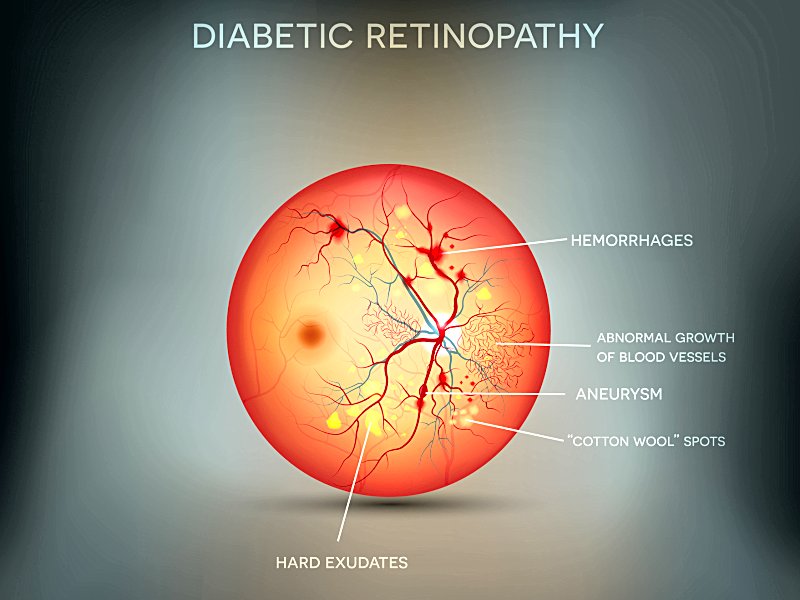
Your eye doctor will use a special dye to look for leaking blood vessels. Leaking blood vessels can cause swelling in your retina (where images focus inside the back of your eye) and decrease your vision. Poor circulation can cause new, weak blood vessels to grow in the retina. These are very prone to bleeding, which can also lead to loss of vision as well as retinal detachment (Kozarsky, A., 2018).

Optional Treatment: Laser Surgery

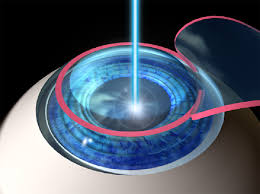
In the early stages of diabetic retinopathy, your doctor may do a procedure called pan retinal photocoagulation with a laser to destroy large areas of your retina where the abnormal blood vessels grow. It seals the blood vessels and stops them from leaking and growing. This kind of surgery won’t bring your vision back, but with follow-up care, you can lower your chance of blindness by as much as 90% (Kozarsky, A., 2018).
Diabetic Macular Edema

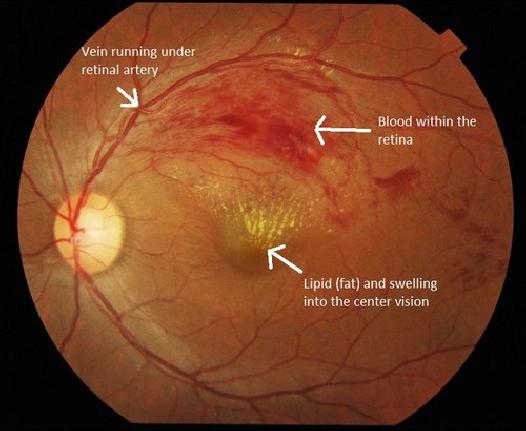
A newer treatment may be better for saving and improving vision, especially for people with diabetic macular edema, which is swelling in the center of your retina. You get shots of medicine into the jelly inside your eye. But it isn’t a cure, it’s only treatment. You’ll need to keep getting shots on regular basis. The treatment and its long-term effects are still being studied (Kozarsky, A., 2018).

3

Vitrectomy

In the late stages of diabetic retinopathy — if your retina has detached or a lot of blood has leaked into your eye — your doctor may suggest this operation to remove scar tissue, blood, and cloudy fluid from inside your eye. Vitrectomy can improve your vision (Kozarsky, A., 2018).


Who Gets Diabetic Retinopathy?

Eventually, nearly everyone with diabetes have possible chance to get iretinopathy. The longer you have the diabetes, the more likely you can det diabetic retinopathy. Your odds will be higher when you don’t have good control of your blood sugar or you have high blood pressure or cholesterol. You can also help prevent it by quiting smoking (Kozarsky, A., 2018).

3

Glaucoma

Glaucoma caused by increases peressure inside in eye. It can cause bright halos or colored rings around the lights, and it usually has no symptoms. You can lower the pressure inside your eye with drops or with laser or conventional surgery. If you don’t treat it, the pressure can damage your optic nerve, resulting in vision loss and blindness. While anyone over 40 has a greater risk, people with diabetes are 40% more likely to get it. (Kozarsky, A., 2018).


Vision with glaucoma


Cataracts

A cataract makes the lens in your eye cloudy, or milky. This blocks light, and your eyes see everything as hazy. Poor control of blood sugar can speed up this process. You’re 60% more likely to get cataracts with diabetes – and you’ll probably get them at a younger age. Surgery can replace the cloudy lens with a clear artificial one, but sometimes diabetic retinopathy gets worse afterward (Kozarsky, A., 2018).

3

See Your Doctor Immediately!

Get emergency care for any sudden vision loss immediately (including a “curtain” coming down over your vision), flashing lights, double vision, or severe eye pain or pressure. Don’t ignore these symptoms:

-Blurry or hazy vision;

-Spots, floaters, or shadows;

-Waviness or distortion of straight lines

make an appointment with your eye doctor as soon as possible (Kozarsky, A., 2018).

Protect your eyes. Get a yearly eye exam. Your doctor can look for damage or diseases.

WHAT IS DIABETES?

“Diabetes is a disease that occurs when your blood glucose, also called blood sugar, is too high. Blood glucose is our main source of energy and comes from the food we eat. Insulin, a hormone made by the Pancreas (an organ ), helps glucose from food get into our cells to be used for energy. Beta cells From pancreas secrete Insulin. Sometimes our body doesn’t make enough or any insulin or doesn’t use insulin well. As a result Glucose then stays in our blood and doesn’t reach our cells” (NIDDK, 2016)
High levels of blood glucose can damage the tiny blood vessels in our kidneys, heart, eyes, or nervous systems. Untreated diabetics can eventually cause heart disease, stroke, kidney disease, blindness, and nerve damage to nerves in the feet. Hypo secretion or inaction of insulin cause Diabetics Mellitus.
“As of 2015, 30.3 million people in the United States, or 9.4 percent of the population, had diabetes. More than 1 in 4 of them didn’t know they had the disease. Diabetes affects 1 in 4 people over the age of 65. About 90-95 percent of cases in adults are type 2 diabetes”   (NIDDK, 2016)

Diabetics mellitus:

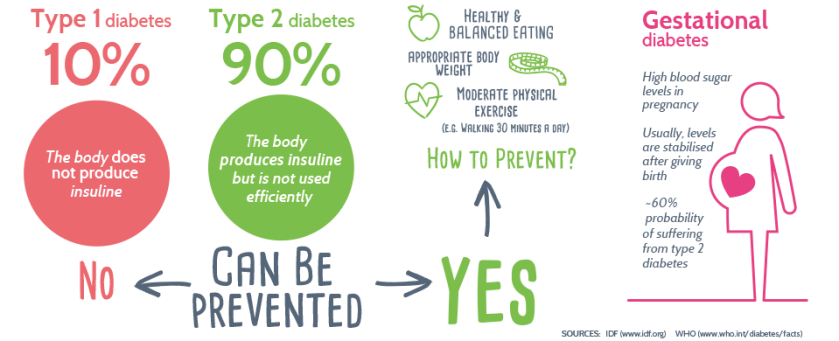
Diabetes mellitus is a group of metabolic disorders characterized by high blood sugar levels over a prolonged period. Diabetes Mellitus (or diabetes) is a chronic, lifelong condition that affects our body’s ability to use the energy found in food. There are three major types of diabetes: type 1, type 2, and gestational diabetes. All types of diabetes mellitus have something in common (NIDDK, 2016)

Type 1 diabetes

In type 1 diabetes, our body does not make insulin. Our immune system attacks and destroys the cells in our pancreas that make insulin. Blood glucose is our main source of energy and comes mainly from the food you eat. Insulin, a Hormone made by the Pancreas, helps the glucose in our blood get into our cells to be used for energy. In most people with type 1 diabetes, the body’s immune system, which normally fights infection, attacks and destroys the cells in the pancreas that make insulin. As a result, our pancreas stops making insulin. Without insulin, glucose can’t get into our cells and our blood glucose rises above normal. People with type 1 diabetes need to take insulin every day to stay alive.

A young woman injecting herself with insulin.
People with type 1 diabetes need to take insulin every day.

Type 1 diabetes is usually diagnosed in children and young adults, although it can appear at any age. People with type 1 diabetes need to take insulin every day to stay alive. Type 1 diabetes mellitus (IDDM)—5% to 10% of cases in United States (NIDDK, 2016)

Symptoms of Type 1 diabetes:

Symptoms of type 1 diabetes are serious and usually happen quickly, over a few days to weeks. Symptoms can include; increased thirst and urination, increased hunger , blurred vision, fatigue, unexplained weight loss (NIDDK, 2016)

Type 2 diabetes

In type 2 diabetes, our body does not make or use insulin well. “Type 2 (NIDDM,2016) non insulin dependent diabetics mellitus 90% to 95% of diabetics”. We can develop type 2 diabetes at any age, even during childhood. However, this type of diabetes occurs most often in middle-aged and older people and failure of target cells to respond to insulin. Type 2 is the most common type of diabetes (NIDDK, 2016)

Symptoms of type 2 diabetes: Symptoms of type 2 diabetes often develop slowly, over the course of several years and can be so mild that you might not even notice them. Many people have no symptoms. Some people do not find out they have the disease until they have diabetes-related health problems, such as blurred vision or heart disease. Causes: Type 2 diabetes is caused by several factors, including; overweight and obesity, not being physically active,Insulin resistance, genes (NIDDK, 2016)

Gestational diabetes

Gestational diabetes is a type of diabetes that occurs only during pregnancy. Gestational diabetes can cause health problems in both mother and baby. Managing your diabetes can help protect you and your baby. It is develops in some women when they are pregnant. Most of the time, this type of diabetes goes away after the baby is born. However, if you’ve had gestational diabetes, you have a greater chance of developing type 2 diabetes later in life. Sometimes diabetes diagnosed during pregnancy is actually type 2 diabetes (NIDDK, 2016)

Symptoms and causes: Gestational diabetes often has no symptoms, or they may be mild, such as being thirstier than normal or having to urinate more often. Gestational diabetes is sometimes related to the hormonal changes of pregnancy that make your body less able to use insulin. Genes and extra weight may also play a role (NIDDK, 2016)

Exercise

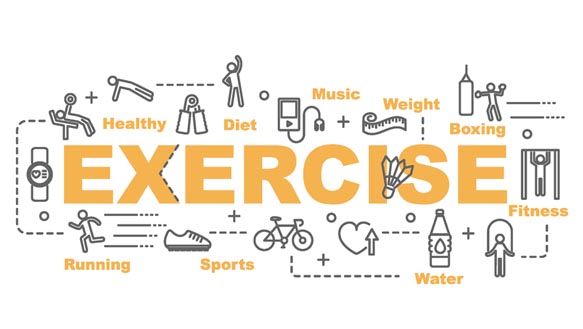
For people with diabetes, exercising is a great way to keep blood sugar levels in check! In addition to blood sugar control, it has many other benefits as well, including increasing energy levels, improving heart health, and promoting emotional well-being (DLife Editors, 2017).  Exercising is essential in not only controlling diabetes, but also in the prevention of diabetes-related complications such as cardiovascular disease (DLife Editors, 2017).

Image result for diabetes exercise

What does exercise entail though? Do you need to go buy a gym membership immediately and hire a personal trainer? NO! Anything that gets you moving is exercise! The important thing is to include more movement in your daily routine and to stay consistent!

Image result for diabetes and exercise

But… How much physical activity should you be doing?

The American Diabetes Association (2015) recommends:

30 minutes of moderate-to-vigorous intensity aerobic exercise at least 5 days a week or a total of 150 minutes per week

Moderate intensity: you are working hard enough that you can talk, but not sing, during the exercise

Vigorous intensity: you cannot say more than a few words without pausing for a breath during the exercise

Spread your physical activity out over at least 3 days of the week

Don’t go more than 2 days in a row without exercising

Some type of strength training at least 2 times per week in addition to aerobic exerciseA

What is aerobic exercise?

Another term for aerobic exercise that you may be more familiar with is cardio! Aerobic exercise or cardio requires the heart to pump out and deliver oxygenated blood to working muscles (Weil, 2017). During aerobic exercise, you can expect your breathing and heart rate to increase.

Image result for running heart clipart

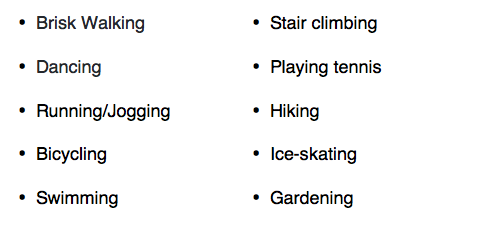
Some examples of aerobic exercises are:

What is strength training?

Strength training is a type of exercise that uses resistance in order to build strength and endurance.  It helps to maintain and build strong muscles, as well as preventing muscle loss (American Diabetes Association, 2015). The resistance used in strength training can be an object, your own body weight, resistance bands, or resistance from machines (Andrews, 2018).

Image result for strength training clipart

Some examples of strength training exercises:

If you have a gym membership, that’s great. But as you can see, so many of these exercises can be done at home and can easily fit into your daily routine! If you want to incorporate weights into your work outs but you don’t own any, you can just substitute them with ordinary objects like canned goods or water bottles. As mentioned earlier, 30 minutes of exercise at least 5 days a week is recommended, but these 30 minutes can also be broken up into bouts of 10 minutes or more and would be just as effective (American Diabetes Association, 2015). Exercising doesn’t have to be as intimidating as it may sound sometimes. What’s important is to get moving, and to stay moving!

Control and Prevention

“The groundwork of all happiness is good health.” -Leigh Hunt


Food

Healthy eating is a significant aspect of life, whether an individual has diabetes or not. It’s not only about the type of food an individual eats, but the amount and food combinations that is being eaten. So what should you do?

~ Avoid very sweet drinks: Drinks that were made very sweet due to a high content of sugar have resulted in an increase of blood sugar. However, if an individual with diabetes was experiencing a low blood sugar level, then sweet drinks such as juice, soda, and sport drinks would raise blood sugar levels that dropped. Make water your primary drink!

~ Eat salmon, sardines, and other fatty fish: Fatty fish contain great amounts of omega-3 fatty acids, which has helped to prevent heart disease and stroke in diabetics (Asif, 2014).

Cooked Salmon

~ Eat fruits and green vegetables: Green vegetables such as spinach and kale are good sources of several vitamins such as vitamin C. Fruits such as apples and pears have been beneficial for individuals with and without diabetes.

~ Eat eggs: Eggs help reduce inflammation and increase your good cholesterol levels. In fact, people with type 2 diabetes have been eating eggs as a part of their protein diet in order to improve blood sugar levels.

While eating all of these nutritious foods, it’s important to keep in mind that you are eating enough while taking your diabetic medications. In addition, if you are not a diabetic, be sure to drink lots of water and avoid consuming lots of sugary food and drinks in order to reduce the risk of getting diabetes!

Medication

The American Academy of Family Physicians talked about how insulin and other type of diabetic medications are meant to reduce blood sugar levels (2018). Knowing how much to take and when to take it is very significant towards managing diabetes. So what should you do?

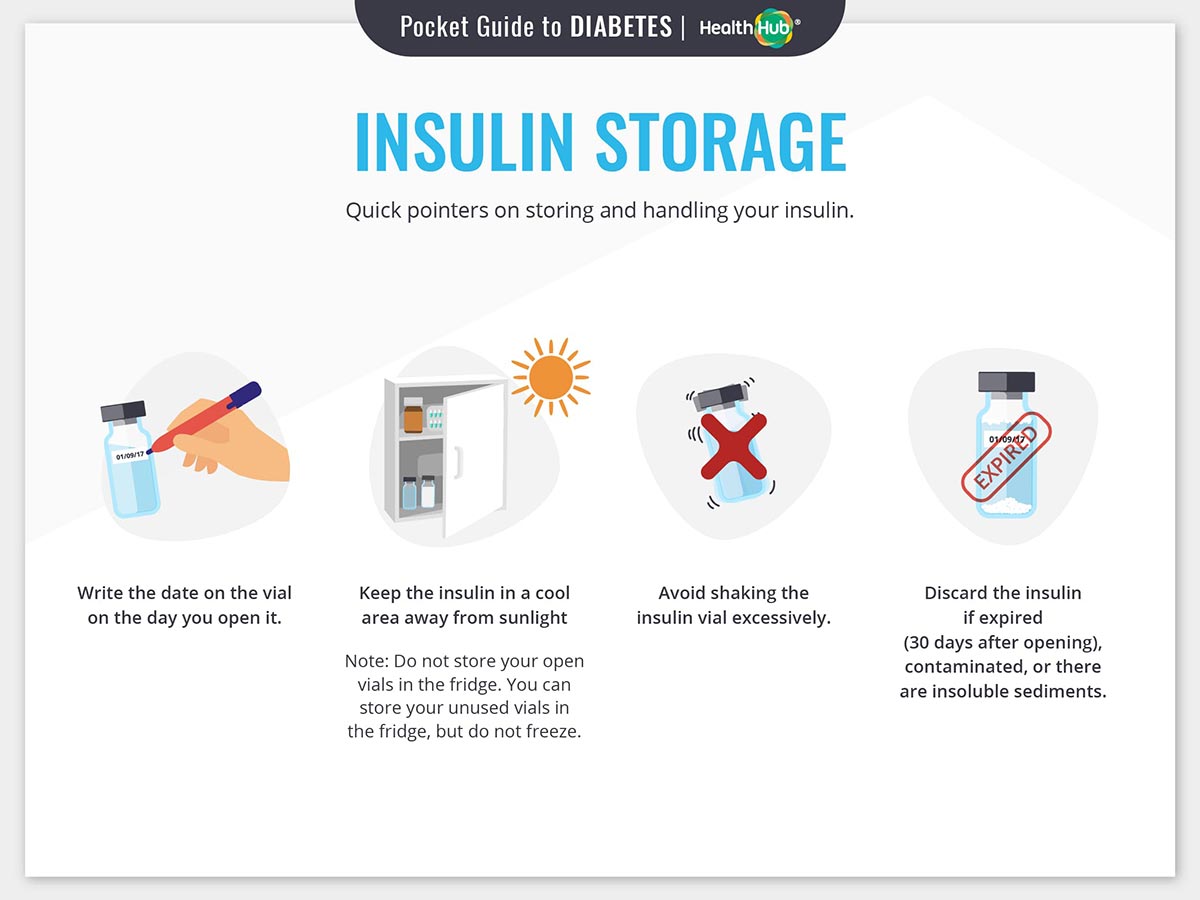
~ Take insulin as prescribed by the doctor, which means to not take more what the prescribed dose is and take insulin at the proper times indicated by your doctor. Store the insulin where temperatures are not too high or you will risk taking insulin that is ineffective to reducing your blood sugar levels. Check the expiration date not only of insulin, but of any medication!

Managing Stress

Stress has been putting individuals at risk not only for diabetes but also for other conditions as well. So what should you do?

~ Learn different coping techniques and or see a healthcare professional: Different coping techniques such as but not limited to listening to music, doing yoga, going out with friends, and exercise have been known to help relieve stress and therefore lower blood sugar levels. Many people have found it helpful to speak to a psychologist in order to identify any possible stressors and to take control of them.

Exercise

Physical activity has been very significant in keeping your body in a healthy state, with or without diabetes. Exercise has helped get rid of excess sugar and converts it to energy for the body to use. This helped the body reduce blood sugar levels (Asif, 2014). So what should you do?

~ Make time in the day to exercise according to how many hours your healthcare professional suggests and what type of exercises are appropriate to your needs. Exercises can include jogging, walking, or even gardening.

Even though diabetes has been a difficult condition to have, it can be managed and prevented with the proper awareness and knowledge!

ALL ABOUT INSULIN

Insulin is a hormone made by the pancreas that helps glucose in your blood enter cells in your muscle, fat, and liver, where it’s used for energy. Glucose comes from the food that is consumed. The liver also makes glucose in times of need, such as when you’re fasting. When blood glucose levels rise after you eat, your pancreas releases insulin into the blood. Insulin then lowers blood glucose in order to keep it in the normal range (NIDDK, 2016).

Types of Insulin

Several types of insulin are available. Each type works at a different speed, known as “onset,” and its effects last a different length of time, known as “duration.” When the insulin has the strongest effect, it reaches a peak. Then the effects of the insulin wear off within the next few hours. (NIDDK, 2016).


What are the different ways to take insulin?

The way you take insulin may depend on your lifestyle, insurance plan, and preferences. Some individuals prefer methods other than using a needle. It would be helpful to talk with your doctor about the options and see which one fits for you. Most people with diabetes use a needle and syringe, pen, or insulin pump. Inhalers, injection ports, and jet injectors are less common (NIDDK, 2016).

Needle and Syringe

You’ll give yourself insulin shots using a needle and syringe. You will draw up your dose of insulin from the vial, or bottle, into the syringe. Insulin works fastest when you inject it in your stomach, but it is important to rotate spots where you inject insulin. Other injection spots include your thigh, backside, or upper arm. Some people with diabetes who take insulin need two to four shots a day in order to reach their blood glucose targets. Others can take a single shot to do so (NIDDK, 2016).

Image result for needle and syringe insulin

Pen

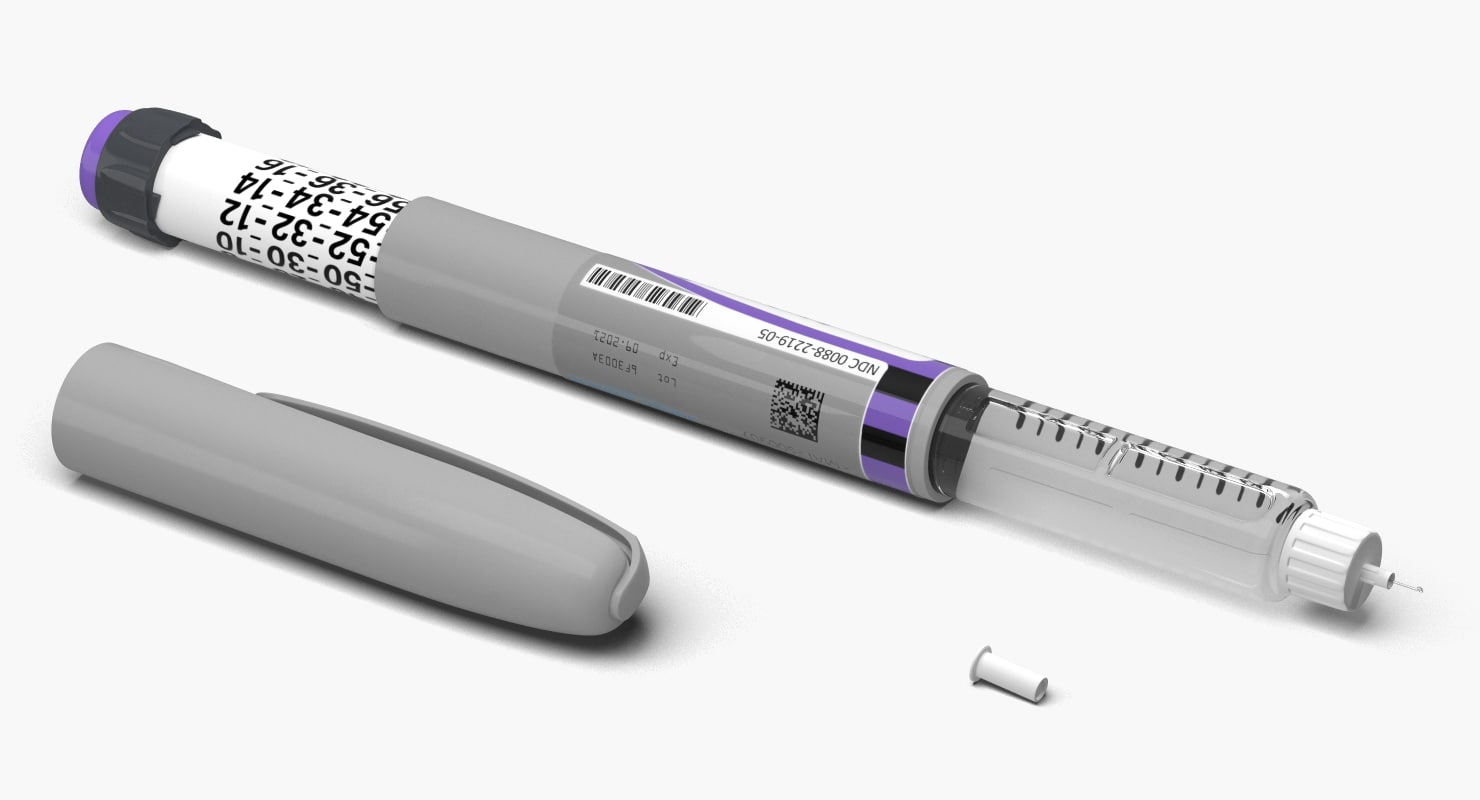
An insulin pen looks like a pen but has a needle for its point. Some insulin pens are supplied with insulin and are disposable. Others have room for an insulin cartridge which is inserted and then replaced after use. Insulin pens cost more than needles and syringes but is commonly used because people find them easier to use (NIDDK, 2016).

insulin pen 3D model

Pump

An insulin pump is a small machine that gives you small, steady doses of insulin throughout the day. You are required to wear one type of pump outside your body, either on a belt or in a pocket or pouch. The insulin pump connects to a small plastic tube and a very small needle. The needle is inserted under your skin and stays intact for several days. Insulin then pumps from the machine through the tube into your body 24 hours a day. Another option is giving yourself doses of insulin through the pump at mealtimes. Another type of pump comes in with no tubes and attaches directly to your skin, such as a self-adhesive pod (NIDDK, 2016).

Image result for insulin pump

Inhaler

Another way to take insulin is by breathing powdered insulin from an inhaler device into your mouth. The insulin goes into your lungs and moves quickly throughout your blood. Inhaled insulin is given only for adult usage with type 1 or type 2 diabetes (NIDDK, 2016).

Image result for insulin inhaler

Injection port

An injection port has a short tube which is inserted into the tissue under your skin. On the skin’s surface, an adhesive patch holds the port in place. You inject insulin through the port with a needle and syringe or an insulin pen. The port stays in place for a few days, and then would need to be replaced. With an injection port, you no longer puncture your skin for each shot. It is only required when a new port needs to be applied (NIDDK, 2016).

Image result for insulin injection port

Jet injector

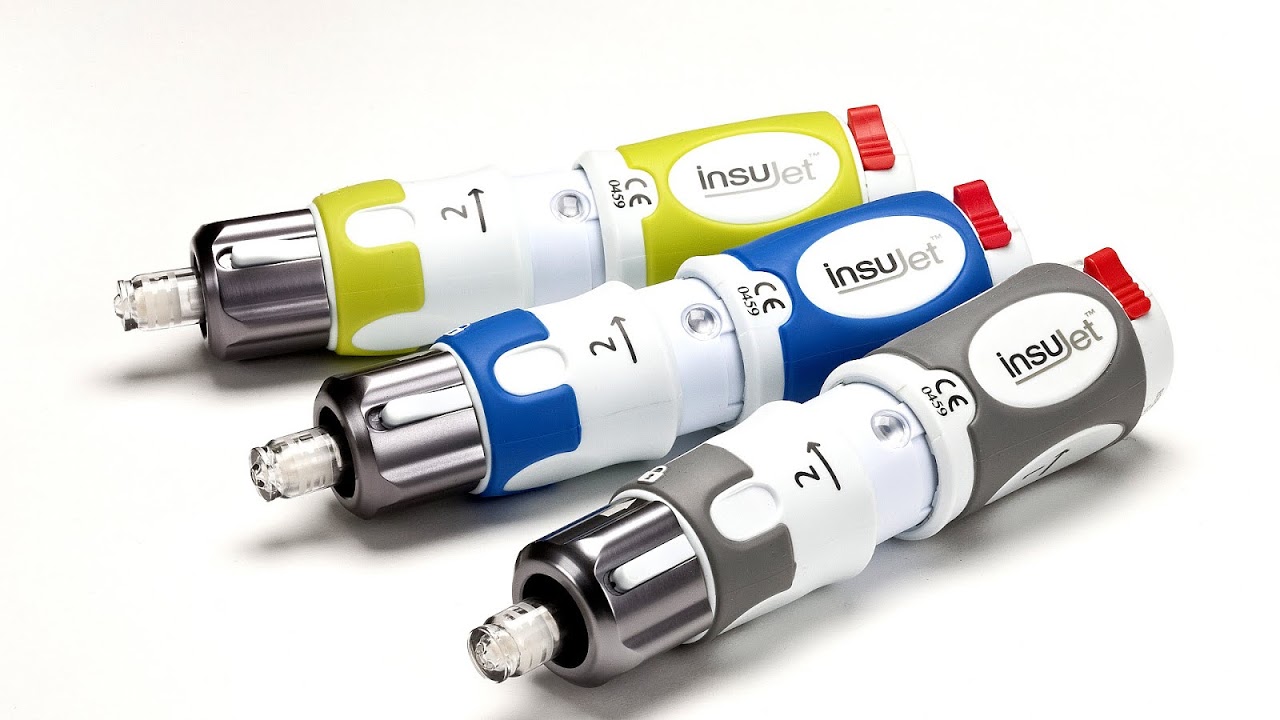
A jet injector sends a fine spray of insulin into the skin at high pressure instead of using a needle to deliver the insulin throughout the body (NIDDK, 2016).

Image result for insulin jet injector

What Do I Eat Now?

The thought of having to check your blood sugar every time you want to eat or drink something can be overwhelming to someone who is a newly diagnosed diabetic. They often all have the same question of “what do I eat now?” Luckily for you, I have great news… you can still eat all your favorite foods! No one is going to tell you that you have to eliminate all the sweets and your favorite treats, but you will most likely have to eat smaller portions or limit how often you have them. In many cases, a health care provider will give you guidance as to what you should eat often and what you should eat in moderation. They will often make you a meal plan that incorporates your medical needs while also taking into consideration the foods and drinks you enjoy the most (NIDDK, 2016)!

Quick Tip: The key to eating with diabetes is to incorporate a variety foods from all the healthy food groups! (NIDDK, 2016).

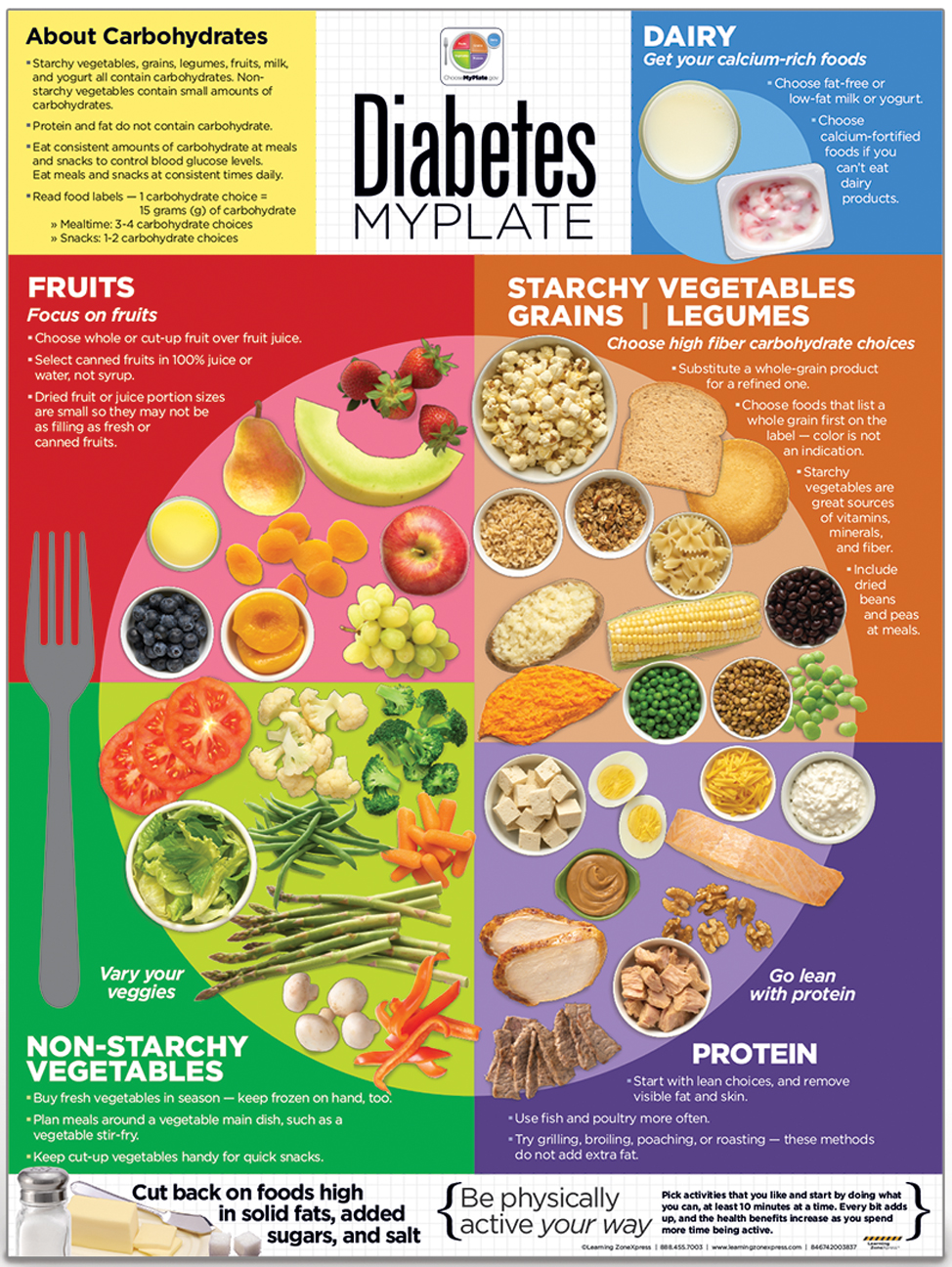
Eating a variety of healthy foods is the number one priority when it comes to a diabetic meal plan. There are 5 food categories that should be included in your everyday diet. Fruits, vegetables, grains, proteins and dairy are all necessities when it comes to a healthy and balanced nutrition. Fruit intake, at times, needs to be monitored more carefully in diabetics due to the high sugar levels. However, that doesn’t mean you cant enjoy your favorite fruits on a daily basis (NIDDK, 2016).

When it comes to vegetables, they are broken down into two categories– starchy and non-starchy. Some examples of starchy vegetables would be potatoes, corn and green peas. Starchy vegetables should be consumed in moderation. Non-starchy vegetables include broccoli, carrots, greens such as spinach and kale, or peppers (NIDDK, 2016)!

Grains are much healthier for you when they are whole grains. They are more easily digested. Brown rice, oats, quinoa, whole wheat pasta and barely are just several healthy options when it comes to putting a grain on your plate (NIDDK, 2016).

There are so many sources of protein out there today! However, lean proteins are the very best for you! Turkey, chicken, white fish and eggs are all awesome sources of protein. For all the vegetarian friends out there indulging in things such as peanut butter, legumes, beans, chickpeas, and tofu will help you to obtain your daily protein intake (NIDDK, 2016).

Dairy is such a simple element to include in your everyday diet! Milk, yogurt and cheese are three things that can be added to pretty much anything. You can incorporate it by having a string cheese, cup of yogurt or a glass or two of milk (NIDDK, 2016).

Fats are another important aspect of every day diet, but they are recommended to be eaten in moderation when you are a diabetic. Heart-healthy fats such as olive oil and canola oil, nuts and seeds, fish such as salmon, tuna and mackerel and avocados are all fats that can be added to your plate (NIDDK, 2016)..

A balanced meal plate is an important thing to remember as a diabetic. You need to make sure that you are incorporating all five elements mentioned in order to help your body function properly!

What your plate SHOULD look like!

Hopefully those of you that were the ones asking “what do I eat now?” understand that diabetes does not have to be life altering when it comes to your diet! Having balanced plates and understanding moderation are the two key factors… and enjoying a treat here and there 🙂