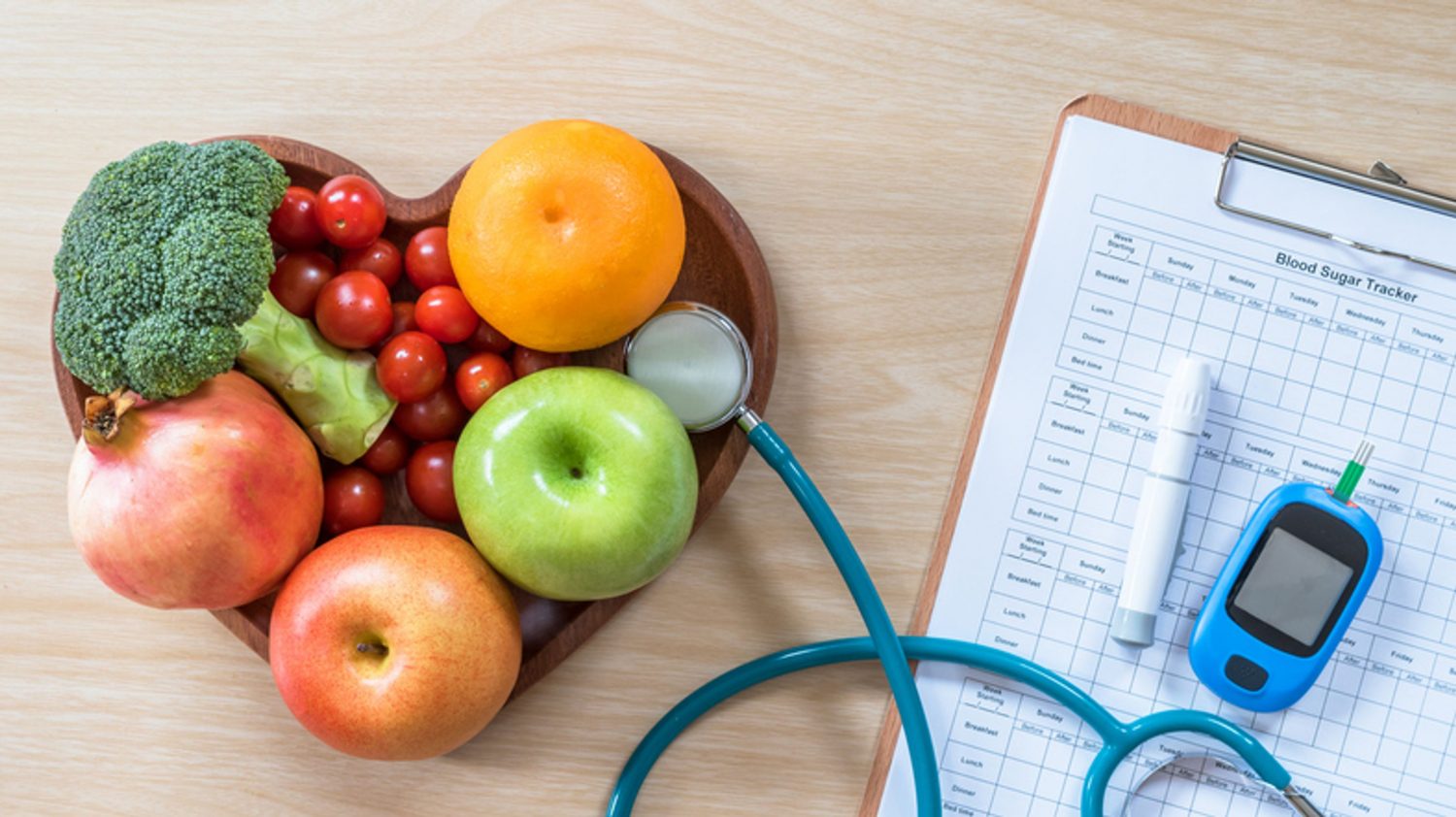
Insulin is a hormone made by the pancreas that helps glucose in your blood enter cells in your muscle, fat, and liver, where it’s used for energy. Glucose comes from the food that is consumed. The liver also makes glucose in times of need, such as when you’re fasting. When blood glucose levels rise after you eat, your pancreas releases insulin into the blood. Insulin then lowers blood glucose in order to keep it in the normal range (NIDDK, 2016).
Types of Insulin
Several types of insulin are available. Each type works at a different speed, known as “onset,” and its effects last a different length of time, known as “duration.” When the insulin has the strongest effect, it reaches a peak. Then the effects of the insulin wear off within the next few hours. (NIDDK, 2016).
What are the different ways to take insulin?
The way you take insulin may depend on your lifestyle, insurance plan, and preferences. Some individuals prefer methods other than using a needle. It would be helpful to talk with your doctor about the options and see which one fits for you. Most people with diabetes use a needle and syringe, pen, or insulin pump. Inhalers, injection ports, and jet injectors are less common (NIDDK, 2016).
Needle and Syringe
You’ll give yourself insulin shots using a needle and syringe. You will draw up your dose of insulin from the vial, or bottle, into the syringe. Insulin works fastest when you inject it in your stomach, but it is important to rotate spots where you inject insulin. Other injection spots include your thigh, backside, or upper arm. Some people with diabetes who take insulin need two to four shots a day in order to reach their blood glucose targets. Others can take a single shot to do so (NIDDK, 2016).

Pen
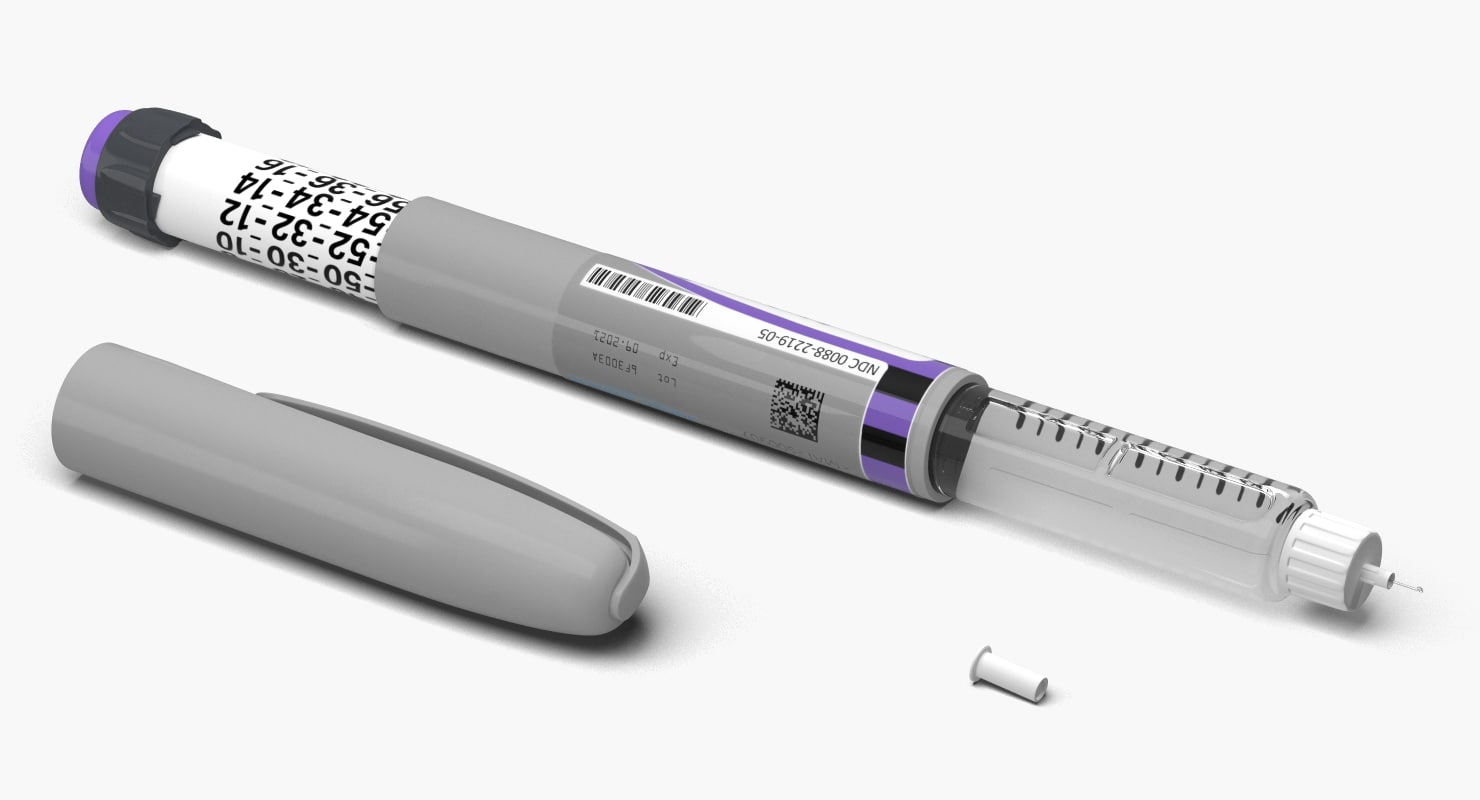
An insulin pen looks like a pen but has a needle for its point. Some insulin pens are supplied with insulin and are disposable. Others have room for an insulin cartridge which is inserted and then replaced after use. Insulin pens cost more than needles and syringes but is commonly used because people find them easier to use (NIDDK, 2016).
Pump
An insulin pump is a small machine that gives you small, steady doses of insulin throughout the day. You are required to wear one type of pump outside your body, either on a belt or in a pocket or pouch. The insulin pump connects to a small plastic tube and a very small needle. The needle is inserted under your skin and stays intact for several days. Insulin then pumps from the machine through the tube into your body 24 hours a day. Another option is giving yourself doses of insulin through the pump at mealtimes. Another type of pump comes in with no tubes and attaches directly to your skin, such as a self-adhesive pod (NIDDK, 2016).

Inhaler
Another way to take insulin is by breathing powdered insulin from an inhaler device into your mouth. The insulin goes into your lungs and moves quickly throughout your blood. Inhaled insulin is given only for adult usage with type 1 or type 2 diabetes (NIDDK, 2016).

Injection port
An injection port has a short tube which is inserted into the tissue under your skin. On the skin’s surface, an adhesive patch holds the port in place. You inject insulin through the port with a needle and syringe or an insulin pen. The port stays in place for a few days, and then would need to be replaced. With an injection port, you no longer puncture your skin for each shot. It is only required when a new port needs to be applied (NIDDK, 2016).

Jet injector
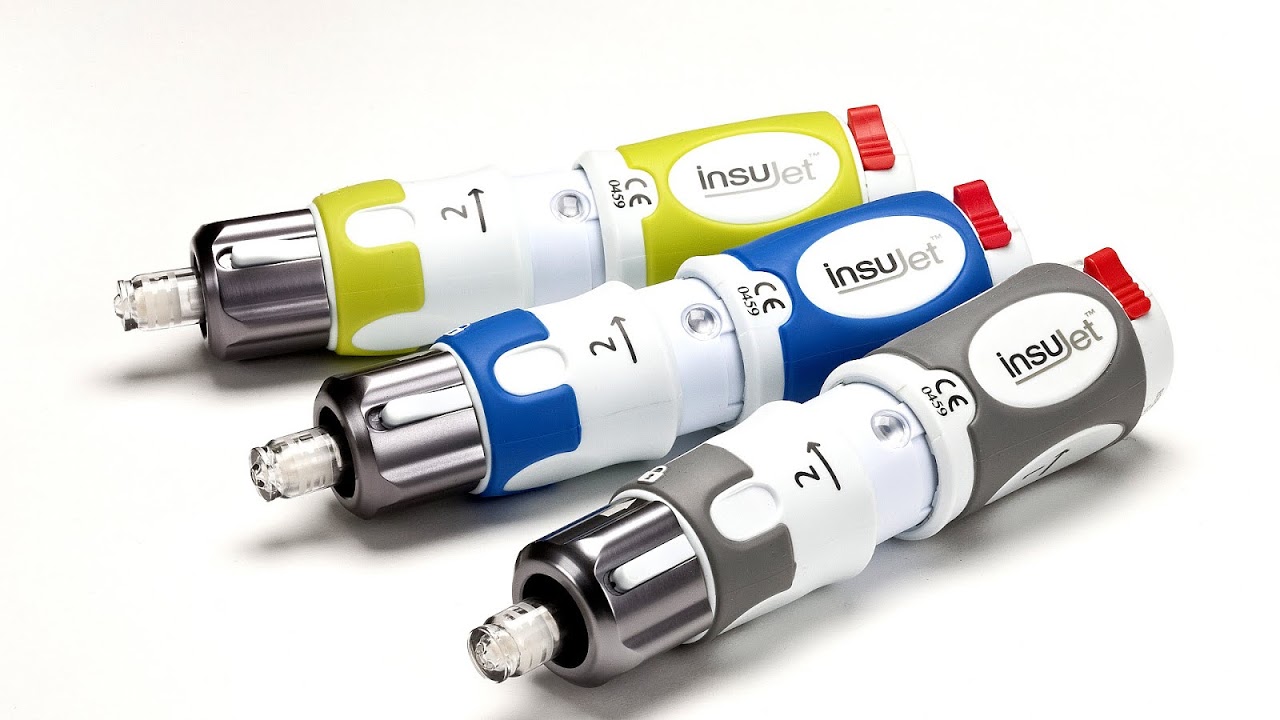
A jet injector sends a fine spray of insulin into the skin at high pressure instead of using a needle to deliver the insulin throughout the body (NIDDK, 2016).
 Don't Sugarcoat It