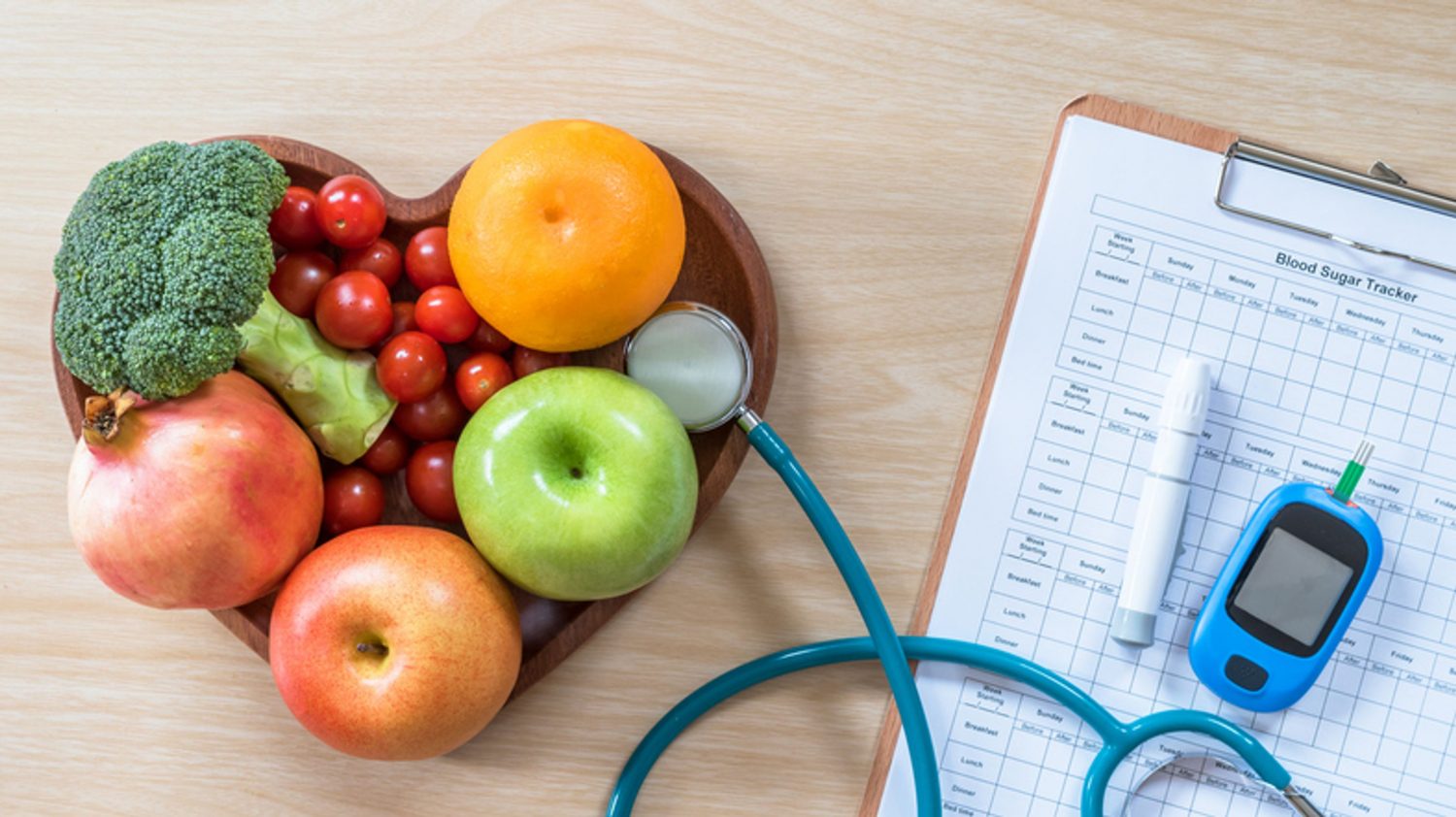
“The groundwork of all happiness is good health.” -Leigh Hunt
Food
Healthy eating is a significant aspect of life, whether an individual has diabetes or not. It’s not only about the type of food an individual eats, but the amount and food combinations that is being eaten. So what should you do?
~ Avoid very sweet drinks: Drinks that were made very sweet due to a high content of sugar have resulted in an increase of blood sugar. However, if an individual with diabetes was experiencing a low blood sugar level, then sweet drinks such as juice, soda, and sport drinks would raise blood sugar levels that dropped. Make water your primary drink!
~ Eat salmon, sardines, and other fatty fish: Fatty fish contain great amounts of omega-3 fatty acids, which has helped to prevent heart disease and stroke in diabetics (Asif, 2014).

~ Eat fruits and green vegetables: Green vegetables such as spinach and kale are good sources of several vitamins such as vitamin C. Fruits such as apples and pears have been beneficial for individuals with and without diabetes.
~ Eat eggs: Eggs help reduce inflammation and increase your good cholesterol levels. In fact, people with type 2 diabetes have been eating eggs as a part of their protein diet in order to improve blood sugar levels.

While eating all of these nutritious foods, it’s important to keep in mind that you are eating enough while taking your diabetic medications. In addition, if you are not a diabetic, be sure to drink lots of water and avoid consuming lots of sugary food and drinks in order to reduce the risk of getting diabetes!
Medication
The American Academy of Family Physicians talked about how insulin and other type of diabetic medications are meant to reduce blood sugar levels (2018). Knowing how much to take and when to take it is very significant towards managing diabetes. So what should you do?
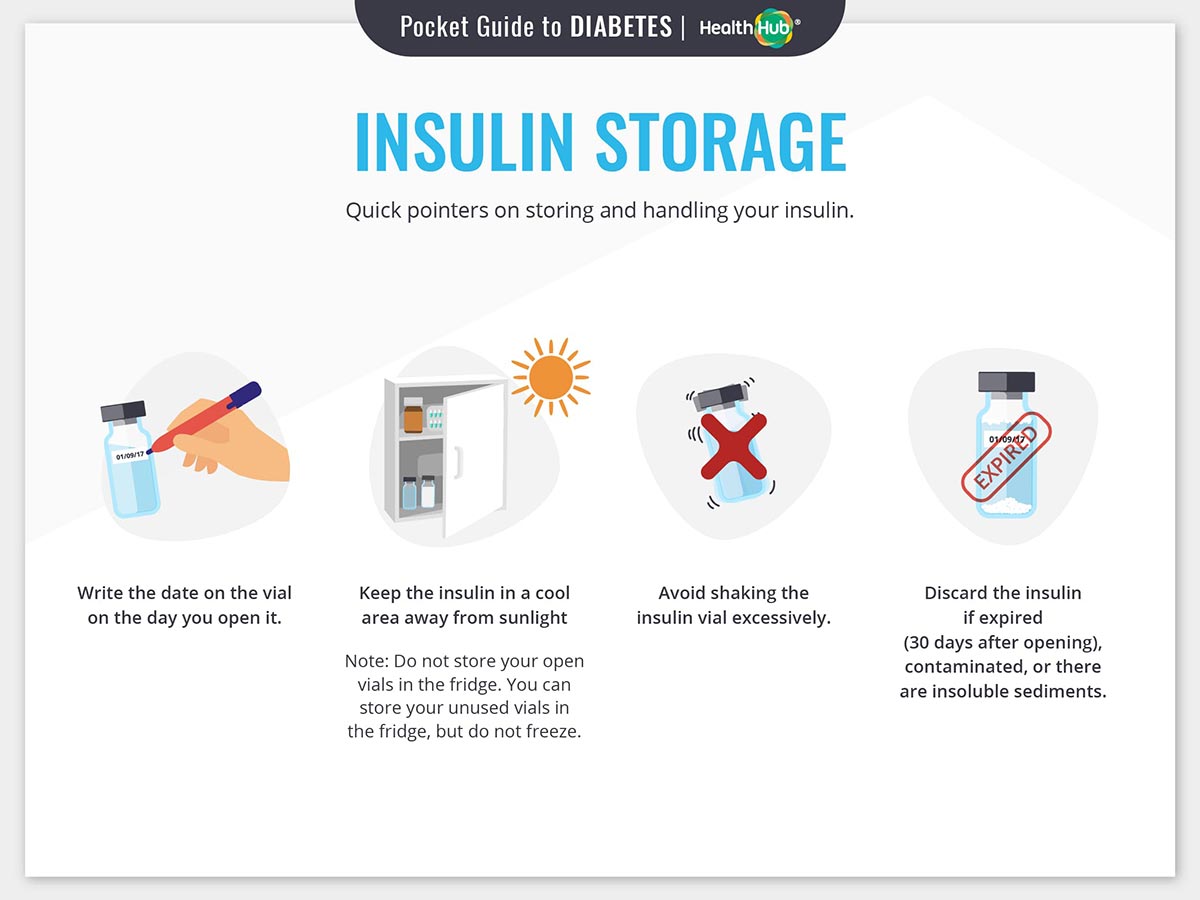
~ Take insulin as prescribed by the doctor, which means to not take more what the prescribed dose is and take insulin at the proper times indicated by your doctor. Store the insulin where temperatures are not too high or you will risk taking insulin that is ineffective to reducing your blood sugar levels. Check the expiration date not only of insulin, but of any medication!
Managing Stress
Stress has been putting individuals at risk not only for diabetes but also for other conditions as well. So what should you do?
~ Learn different coping techniques and or see a healthcare professional: Different coping techniques such as but not limited to listening to music, doing yoga, going out with friends, and exercise have been known to help relieve stress and therefore lower blood sugar levels. Many people have found it helpful to speak to a psychologist in order to identify any possible stressors and to take control of them.

Exercise
Physical activity has been very significant in keeping your body in a healthy state, with or without diabetes. Exercise has helped get rid of excess sugar and converts it to energy for the body to use. This helped the body reduce blood sugar levels (Asif, 2014). So what should you do?
~ Make time in the day to exercise according to how many hours your healthcare professional suggests and what type of exercises are appropriate to your needs. Exercises can include jogging, walking, or even gardening.

Even though diabetes has been a difficult condition to have, it can be managed and prevented with the proper awareness and knowledge!
 Don't Sugarcoat It