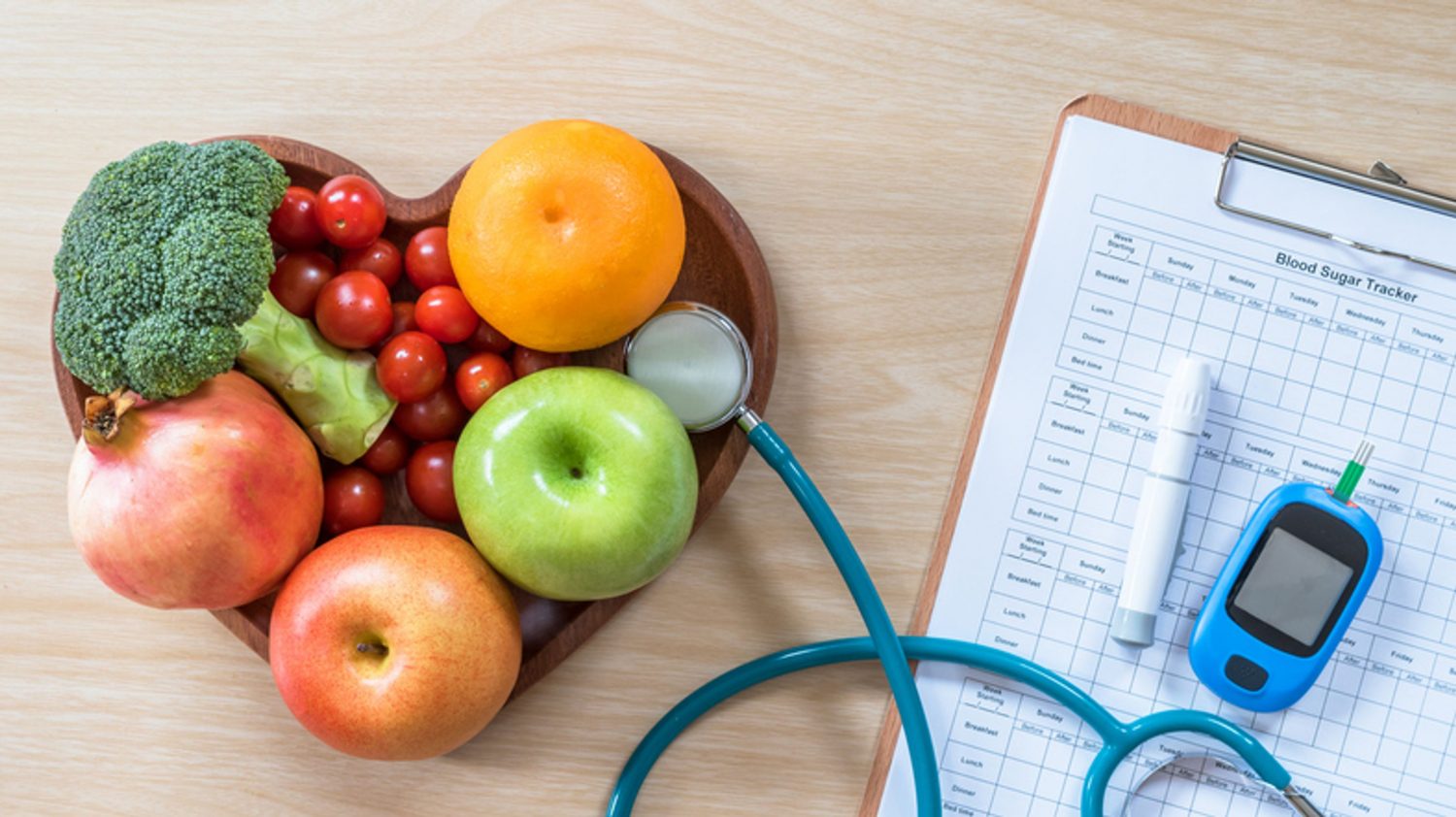
“Diabetes is a disease that occurs when your blood glucose, also called blood sugar, is too high. Blood glucose is our main source of energy and comes from the food we eat. Insulin, a hormone made by the Pancreas (an organ ), helps glucose from food get into our cells to be used for energy. Beta cells From pancreas secrete Insulin. Sometimes our body doesn’t make enough or any insulin or doesn’t use insulin well. As a result Glucose then stays in our blood and doesn’t reach our cells” (NIDDK, 2016)
High levels of blood glucose can damage the tiny blood vessels in our kidneys, heart, eyes, or nervous systems. Untreated diabetics can eventually cause heart disease, stroke, kidney disease, blindness, and nerve damage to nerves in the feet. Hypo secretion or inaction of insulin cause Diabetics Mellitus.
“As of 2015, 30.3 million people in the United States, or 9.4 percent of the population, had diabetes. More than 1 in 4 of them didn’t know they had the disease. Diabetes affects 1 in 4 people over the age of 65. About 90-95 percent of cases in adults are type 2 diabetes” (NIDDK, 2016)
Diabetics mellitus:
Diabetes mellitus is a group of metabolic disorders characterized by high blood sugar levels over a prolonged period. Diabetes Mellitus (or diabetes) is a chronic, lifelong condition that affects our body’s ability to use the energy found in food. There are three major types of diabetes: type 1, type 2, and gestational diabetes. All types of diabetes mellitus have something in common (NIDDK, 2016)
Type 1 diabetes
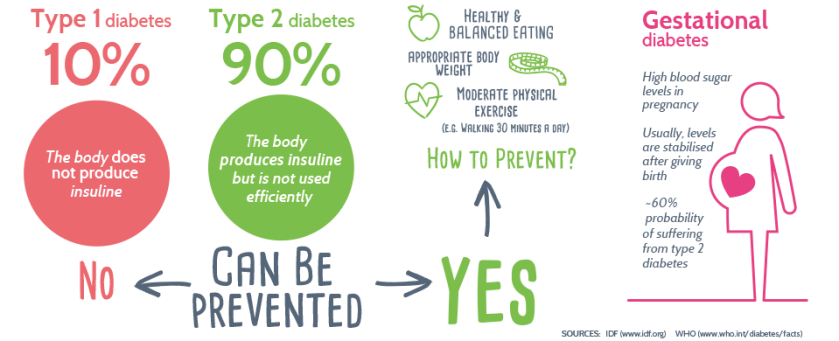
In type 1 diabetes, our body does not make insulin. Our immune system attacks and destroys the cells in our pancreas that make insulin. Blood glucose is our main source of energy and comes mainly from the food you eat. Insulin, a Hormone made by the Pancreas, helps the glucose in our blood get into our cells to be used for energy. In most people with type 1 diabetes, the body’s immune system, which normally fights infection, attacks and destroys the cells in the pancreas that make insulin. As a result, our pancreas stops making insulin. Without insulin, glucose can’t get into our cells and our blood glucose rises above normal. People with type 1 diabetes need to take insulin every day to stay alive.

Type 1 diabetes is usually diagnosed in children and young adults, although it can appear at any age. People with type 1 diabetes need to take insulin every day to stay alive. Type 1 diabetes mellitus (IDDM)—5% to 10% of cases in United States (NIDDK, 2016)
Symptoms of Type 1 diabetes:
Symptoms of type 1 diabetes are serious and usually happen quickly, over a few days to weeks. Symptoms can include; increased thirst and urination, increased hunger , blurred vision, fatigue, unexplained weight loss (NIDDK, 2016)
Type 2 diabetes
In type 2 diabetes, our body does not make or use insulin well. “Type 2 (NIDDM,2016) non insulin dependent diabetics mellitus 90% to 95% of diabetics”. We can develop type 2 diabetes at any age, even during childhood. However, this type of diabetes occurs most often in middle-aged and older people and failure of target cells to respond to insulin. Type 2 is the most common type of diabetes (NIDDK, 2016)
Symptoms of type 2 diabetes: Symptoms of type 2 diabetes often develop slowly, over the course of several years and can be so mild that you might not even notice them. Many people have no symptoms. Some people do not find out they have the disease until they have diabetes-related health problems, such as blurred vision or heart disease. Causes: Type 2 diabetes is caused by several factors, including; overweight and obesity, not being physically active,Insulin resistance, genes (NIDDK, 2016)
Gestational diabetes
Gestational diabetes is a type of diabetes that occurs only during pregnancy. Gestational diabetes can cause health problems in both mother and baby. Managing your diabetes can help protect you and your baby. It is develops in some women when they are pregnant. Most of the time, this type of diabetes goes away after the baby is born. However, if you’ve had gestational diabetes, you have a greater chance of developing type 2 diabetes later in life. Sometimes diabetes diagnosed during pregnancy is actually type 2 diabetes (NIDDK, 2016)
Symptoms and causes: Gestational diabetes often has no symptoms, or they may be mild, such as being thirstier than normal or having to urinate more often. Gestational diabetes is sometimes related to the hormonal changes of pregnancy that make your body less able to use insulin. Genes and extra weight may also play a role (NIDDK, 2016)
 Don't Sugarcoat It